
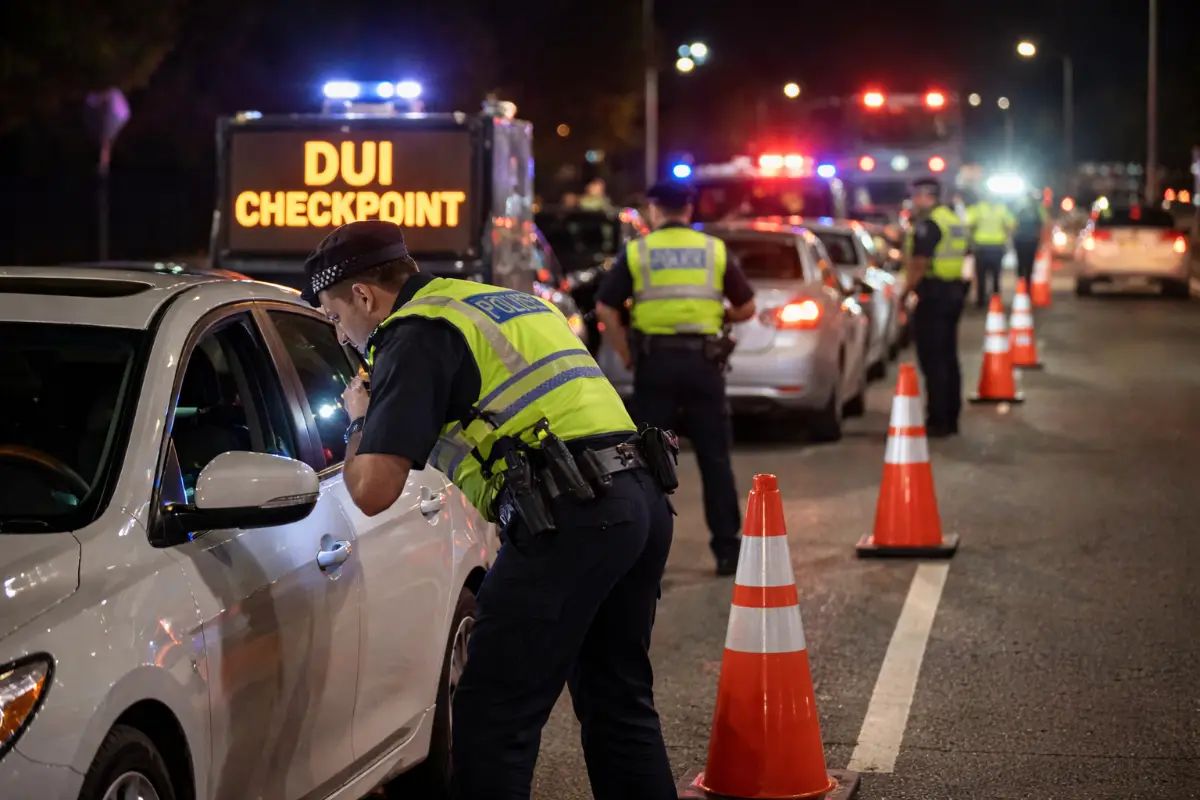
If you’ve been charged with a DUI (Driving while Under the Influence) or a DWI (Driving While Intoxicated), the first thing you should do is remain calm. DUI and DWI cases are among the most common brought by prosecutors and among the top issues brought to the attention of criminal defense attorneys.
Most DUI or DWI cases contain at least one problematic element — that is, one “thing” that can make a DUI or DWI arrest problematic for the police or prosecution. It could be something as simple as a malfunctioning breathalyzer, an arresting officer not following procedure, or something else.
Fighting a DUI or DWI is always an option. You’re no more or less likely to lose your case simply because you were arrested, charged and/or spent a night in the jail’s drunk tank. In fact, there may be certain mitigating circumstances that can help you win your case and beat a DUI or DWI charge. One of the best ways to know for sure is to sit down with an experience criminal defense attorney and go over each and every step of what happened.
What is DUI?
A DUI is a charge of driving while under the influence, typically of alcohol.
Everyone who carries a driver’s license in California and operates a motor vehicle is subject to a blood alcohol content, or BAC, test if an officer pulls you over and suspects you of driving while under the influence of alcohol. In California, a person is legally intoxicated if their BAC is above .08, but you can be arrested and charged with a DUI if your driving is impaired because of a BAC above anything more than 0.
Sometimes, the officer may administer a test, commonly known as a field sobriety test. This test may include asking you to:
- Balance on one leg;
- Recite the alphabet backwards;
- Look in a specific direction to test your eye movements;
- Walk an invisible line near your car, turn, then walk the other direction;
- Count backwards from 10, or forwards in multiples of a certain number;
- Recall specific information about the city you work or live in, like the name of a professional sports team.
Field sobriety tests conducted by police officers are typically ones endorsed by the National Highway Traffic Safety Administration (NHTSA). These tests contain standardized measurements to gauge for sobriety or intoxication and are backed by some reliable study or other indicator with a basis in science.
Some of the tests in the bullet list above are endorsed by the NHTSA. Others are not. Can you tell the difference? If you were asked to perform any of these tests, and you were later arrested and/or charged with a DUI, contact criminal defense attorney Mark Reichel today.
In other cases, an officer will use a breathalyzer or blood test to determine if a person is intoxicated. This might be administered in combination with a field sobriety test, or when a person is successful at a field sobriety test but an officer still suspects a driver of being at or above the legal BAC limit. A positive test does not necessarily mean a driver was impaired. These machines do occasionally produce false positives, and it’s not uncommon for a case to be tossed out after an attorney scrutinizes the validity of a test and the accuracy of a machine. If you tested positive after being given a breathalyzer or blood test, contact criminal defense attorney Mark Reichel today.
What is DWI?
A DWI is a charge of driving while intoxicated, typically of drugs.
The first thing that might come to mind is illicit drugs and narcotics, and you’re right — driving after ingesting or consuming these drugs can earn you a DWI charge. But other types of drugs, including prescription and over-the-counter medications, can also earn you a DWI charge if these drugs are believed to have impaired your driving.
One of the murkiest areas of this law happened shortly after voters passed Proposition 64 in California, making recreational use of marijuana legal within the state. While existing state law made it a crime to “drive while high” or having an “open container” of marijuana in a car, the law was silent on people smoking marijuana while driving.
That loophole was closed in recent years, and smoking marijuana while operating a motor vehicle is now against the law.
Tests administered to drivers who are suspected of DWI can mirror those administered to drivers suspected of DUI. Some of these aren’t intended to screen for certain type of drugs, including marijuana, and their effectiveness can be called into question by an experienced criminal defense attorney based on certain elements of a case.
Can I be charged with DUI/DWI even if I’m not driving?
Can you be charged with a DUI or DWI if you’re not driving but doing something else in your car — say, eating a meal, sleeping or listening to the radio while parked?
The answer is yes, though how likely a charge is to “stick” depends on a number of things. An experienced criminal defense attorney can help uncover elements specific to your case and assist you in fighting your charge.
Can I be charged with DUI/DWI even if the keys aren’t in the ignition?
Whether the keys are in the ignition or not, you can be charged with a DUI or a DWI simply by appearing to be under the influence or intoxicated while in a car.
To arrest you, an officer merely needs suspicion of intent to operate a car. Being physically present in a parked car is often considered by an officer to be enough to justify a DUI or DWI charge, though an officer typically administers some kind of sobriety test before making an actual arrest.
That alone might make you feel like your case is hopeless — but it isn’t! There are other elements that could result in a prosecutor rescinding a charge or a judge tossing it out of court, including the kind of sobriety tests administered, the accuracy of any machines used to gauge your sobriety and your rights as an individual before, during and after the arrest, among other things.
Is driving while high illegal in California?
While the use of recreational marijuana is legal under California law, it is not legal to drive while high — or under the influence of marijuana — in California.
Anyone who drives after using marijuana could be subject to a DUI. Police are now equipped with tools that can detect THC in a person’s saliva, along with the presence of other drugs. Unlike alcohol, California law does not quantify how much marijuana qualifies for a DUI, which means any THC in a person’s system can earn them a DUI, even if a someone doesn’t “feel high.”
Are DUI checkpoints legal in California?
The short answer is yes, but only if a law enforcement agency follows strict guidelines.
First, police are required to provide public notice of a DUI checkpoint in advance. Public notice requirements include the date and time of a DUI checkpoint. Police are not required to provide the specific location of a DUI checkpoint, but some choose to do so as a preventative measure.
Second, once a DUI checkpoint is established, police must adhere to certain rules. Motorists must be stopped on an impartial and neutral basis (i.e., every third car, or every fifth car, or one car every five minutes, etc.); they must conduct the checkpoint in a safe manner; the time and duration of the stop must be reasonable; and there must be adequate signage warning approaching motorists of a checkpoint.
Any driver who is detained at a DUI checkpoint should be stopped for the shortest possible period of time, unless they are suspected of driving while under the influence or driving while intoxicated. Additionally, a supervising officer must be on scene to make all decisions regarding the planning and execution of a DUI checkpoint.
Can an attorney help me beat a DUI or DWI case?
It depends. An experience criminal defense attorney can help someone charged with DUI or DWI ensure their case was handled appropriately. If it wasn’t, an attorney can help a person get their DUI or DWI charges dismissed.
Any of the following factors could be grounds for having a DUI or DWI charge dismissed:
- Police failing to provide public notice of a DUI checkpoint in advance
- An arresting officer failing to advise a person of their rights under the law (“reading Miranda rights”)
- An officer conducting a traffic stop or a DUI checkpoint in an unsafe and/or illegal manner
- An officer or officers discriminating against specific drivers when conducting a DUI checkpoint
- Lack of probable cause to pull over a driver who is later charged with DUI or DWI
An expert attorney will examine police body camera footage, photographs, arrest reports and other materials to prepare for the best possible defense when a client is facing DUI or DWI charges. If you need a criminal defense attorney, contact Mark Reichel for a free consultation.