What is arson?
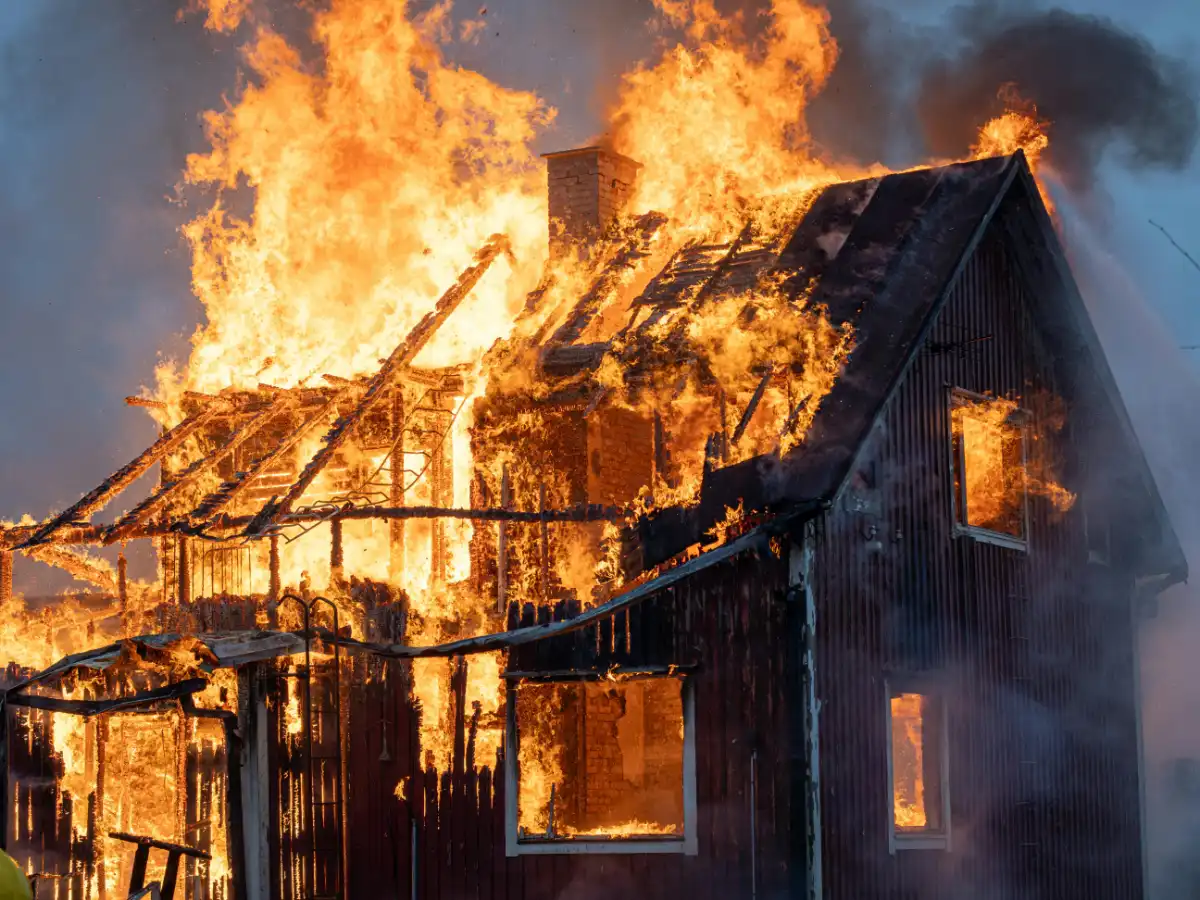
Arson is the crime of willfully and maliciously setting fire to, burning or causing to be burned any structure, vehicle, land or property. While many people think arson only applies to buildings, the law is far broader. Fires involving homes, businesses, vehicles, forests, brush and even personal property can all qualify as arson under state or federal law.
Arson is treated as a serious violent felony in many jurisdictions because of the inherent danger fire poses to human life, firefighters, neighboring structures and the environment. Even when no one is injured, prosecutors often pursue harsh penalties due to the potential risk involved.
To obtain a conviction, a prosecutor must typically prove that the fire was intentionally set, not accidental, and that the defendant acted with the required mental state under the applicable statute.
Is arson a state crime or a federal crime?
Arson can be prosecuted under state law, federal law or both depending on the facts of the case.
Most arson cases are charged in state court. However, federal prosecutors may bring arson charges when:
- The fire involves interstate commerce
- The property burned is federally owned or federally funded
- The fire affects banks, post offices, government buildings or infrastructure
- The arson is connected to insurance fraud, terrorism or organized crime
- The fire crosses state lines or involves federal land such as national forests
In some cases, a defendant may face parallel state and federal investigations, significantly increasing the legal exposure.
What is federal arson?
Federal arson is primarily prosecuted under 18 U.S.C. § 844, a statute that criminalizes damaging or destroying property by fire or explosives when the property is used in interstate or foreign commerce or affects such commerce.
Federal arson charges are commonly brought in cases involving:
- Commercial buildings
- Apartment complexes
- Warehouses or factories
- Religious institutions
- Government facilities
- Infrastructure such as bridges or utilities
Because nearly all businesses affect interstate commerce in some way, federal jurisdiction can be much broader than most people realize.
A federal arson conviction can carry mandatory minimum prison sentences, lengthy incarceration and substantial fines. If the fire results in injury or death, penalties increase dramatically.
Does arson require intent?
Yes. Arson is generally considered a specific-intent crime. Prosecutors must prove that the defendant willfully and maliciously caused the fire.
This means accidental fires, negligent conduct or poor judgment alone should not qualify as arson. If you are charged with arson, and it can be proven that you didn’t set a fire “with intent,” a good attorney for a defendant should be able to raise that as a defense.
However, prosecutors often attempt to stretch circumstantial evidence such as financial stress, insurance claims or presence near the fire scene to argue intent. That is why hiring a good criminal defense attorney is important when a person is facing the likelihood of an arson charge.
Can I be charged with arson if no one was hurt?
Absolutely. Arson charges do not require bodily injury or death. Many arson prosecutions involve fires where no one was harmed but where property damage occurred or risk was created.
That said, injuries especially to firefighters or first responders can dramatically increase sentencing exposure and transform a case into a high-stakes felony or federal prosecution.
What is aggravated arson?
Aggravated arson generally refers to arson involving enhancing factors such as:
- Occupied structures
- Multiple structures
- Use of accelerants or explosives
- Fires set for financial gain
- Prior arson convictions
- Fires that cause injury or death
Aggravated arson is often charged as a strike offense or violent felony under state law and can result in decades of prison time.
How do arson investigators determine whether a fire was intentional?
Arson investigations rely heavily on fire science but they also depend on human judgment and that’s where mistakes happen.
Investigators may examine:
- Burn patterns
- Point of origin
- Presence of accelerants
- Electrical systems
- Witness statements
- Surveillance footage
- Financial or personal motives
Unfortunately, fire investigation has a long history of “junk science,” outdated assumptions and confirmation bias. Many arson convictions nationwide have later been overturned after flawed investigative techniques were exposed.
An experienced defense lawyer knows how to challenge these methods using independent experts and modern fire science standards.
Can arson charges be based on circumstantial evidence?
Yes. Many arson cases are built entirely on circumstantial evidence such as:
- Opportunity
- Motive
- Prior disputes
- Insurance claims
- Text messages or emails
- Location data from phones
Circumstantial evidence can be powerful, but it is also vulnerable to attack by a seasoned criminal defense attorney who understands federal and state arson laws.
What are the penalties for arson?
Penalties vary widely depending on whether the case is charged in state or federal court and whether aggravating factors are alleged.
Potential consequences include:
- State prison or federal prison sentences
- Mandatory minimum sentences in federal cases
- Large fines
- Restitution for property damage
- Loss of professional licenses
- Immigration consequences for non-citizens
Federal arson convictions can result in 10 to 20 years or more in prison and life imprisonment is possible when death is connected to a proven arson.
Is arson related to insurance fraud?
Often, yes. Many arson cases arise in the context of insurance investigations where insurers suspect a fire was set intentionally to collect proceeds.
Insurance companies frequently cooperate with law enforcement, share internal reports and conduct their own investigations before criminal charges are filed.
Statements made to insurers even casually can later be used in criminal court. This is why legal representation is critical as early as possible.
What should I do if I’m being investigated for arson?
If you are suspected of arson, do not speak to investigators, fire marshals or insurance representatives without a lawyer.
Arson cases move quickly from investigation to formal charges often before a suspect realizes how serious the situation is. Early legal intervention can make the difference between charges being filed or not filed at all.
If you’ve been contacted by law enforcement, served with a search warrant, received a target letter or learned you’re under investigation for arson, you should contact criminal defense attorney Mark Reichel immediately for a confidential consultation and to protect your rights before prosecutors define the narrative.